



Ultimate form of disconnecting from the world and your own mental chatter.
If you visit a flotation therapy center, such as Saskatoon's Float Love, you’ll be greeted by their friendly Front-of-House staff who will invite you to put in earplugs and step into a rounded, podlike tub, or floatation room, big enough for a tall person to lie back and stretch out.
Float Love is looking to hire a new Float Facilitator and invites anyone that would like to be part of a unique and supportive healing environment to apply. Click on the link above for more information on the position and to apply.
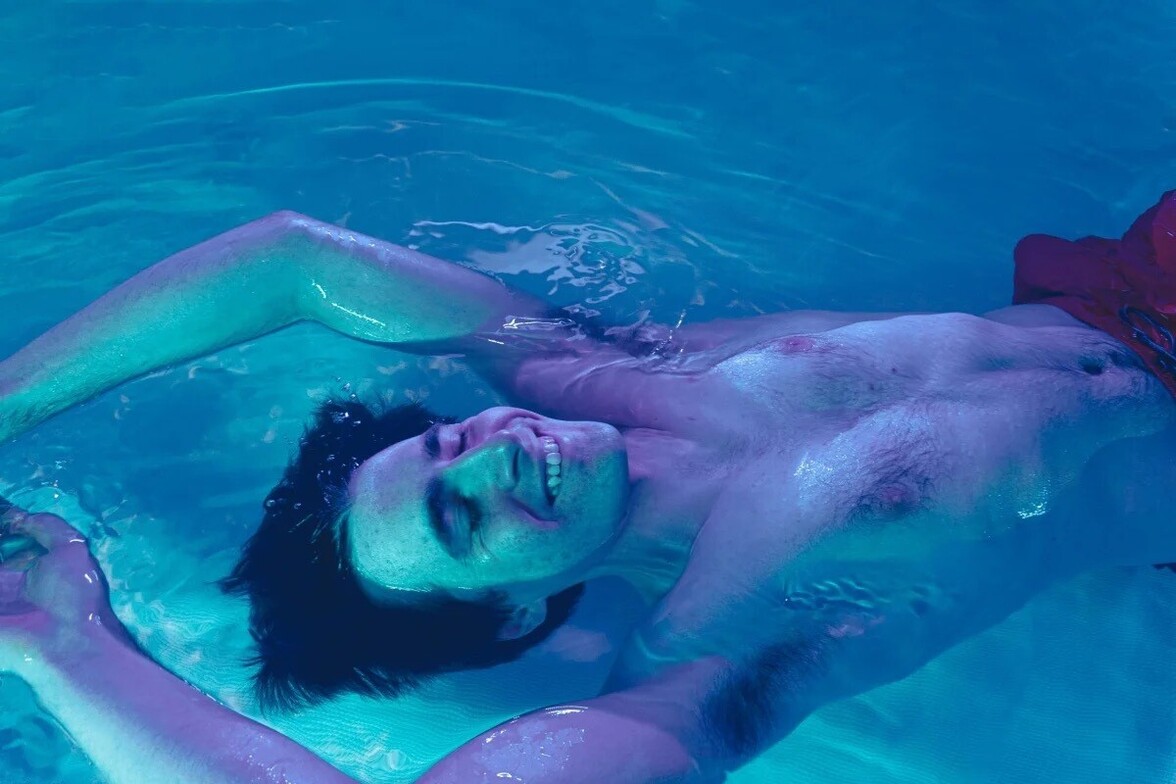
You’ll lie back in quiet darkness, floating in water warmed to your skin’s temperature, about 95 degrees Fahrenheit. The water is about 10–12 inches deep and super-saturated with Epsom salts, or magnesium sulfate, so you’ll remain suspended effortlessly, hearing and feeling nothing.
Not all sensory input is shut off, however. For example, you could still create your own noise, of course, by vocalizing if you want. But the point of using a sensory deprivation tank is to muffle all sensations.
Reducing anxiety
Floating can help reduce anxiety, as well as the symptoms of post-traumatic stress disorder (PTSD). In a series of studies led by neuropsychologist Dr. Justin Feinstein, researchers monitored participants’ brain activity before and after three 90-minute float sessions. They found that the amygdala, the area of the brain responsible for regulating the body’s “fight or flight” response, basically shuts down after floating — which is the same effect you’d get from popping an anti-anxiety drug like Ativan.
A session can last between 75 minutes to just over two hours, fostering a sense of profound inner calm by removing distractions such as ambient noises, light, smells—and even the sensation of gravity. Perhaps it’s the closest you can get to floating in space.
As a result, users of flotation tanks can experience a dream-like state without actually being asleep.
Floating vs. resting in a bed
The study placed 25 men and 25 women in two different sensory deprivation settings to compare their effects: one hour in a float tank and one hour in a warm waterbed in a dark and quiet room. Beyond the general calming and anxiety-relieving feeling of lying back on a waterbed, people in the flotation tanks also felt that the lines between their bodies and their surroundings had blurred to the point of becoming indistinguishable. They also reported losing an accurate sense of the passage of time. These altered states of consciousness relieved floating participants of anxiety and stress to a far greater degree than for those on the beds, the researchers wrote, and participants felt more relaxed after floating.
Other Benefits of Float Therapy
- It may improve mental health. Float therapy can be a good stress outlet for folks teetering on the edge of burnout, and even help ease symptoms of anxiety and depression.
- It can also help improve muscle tension and sleep difficulties.
- It might help people with physical conditions. Research suggests it can be used as a treatment for chronic pain, fibromyalgia, and multiple sclerosis.
- It can potentially improve blood pressure. Through his research, Dr. Feinstein found that some people's “blood pressure goes down 10 to 15 points during the float,” he says.
- It may help sore muscles recover. Epsom salt offers anti-inflammatory benefits, Feinstein explains, and studies show that it may reduce muscle soreness.
Dr. Justin Feinstein's research on flotation therapy has also found that the heart rate, blood pressure, and breathing rate all slow significantly as well during a float session. Float therapy can be “a profound intervention for the nervous system” that is otherwise being constantly inundated with information, Feinstein said.
It’s a deep inner stillness that comes with practiced meditation, but in a sensory deprivation tank, all you have to do is lie back and close your eyes. It’s the ultimate form of disconnecting from the world and your own mental chatter.
- Articles from Popular Mechanics by Manasee Wagh, Men's Health by Deanna Debara, and Women's Health by Lia Lewine, edited by Paul Buffel